I don't think there's another person who has influenced the way I think more than Louise Hay. Affirmations are the heart of her work—swapping out negative thoughts for positive ones. "What we believe about ourselves and about life becomes true for us," Louise writes. Even if we think we hate ourselves, she points out, "it's only a thought, and a thought can be changed."
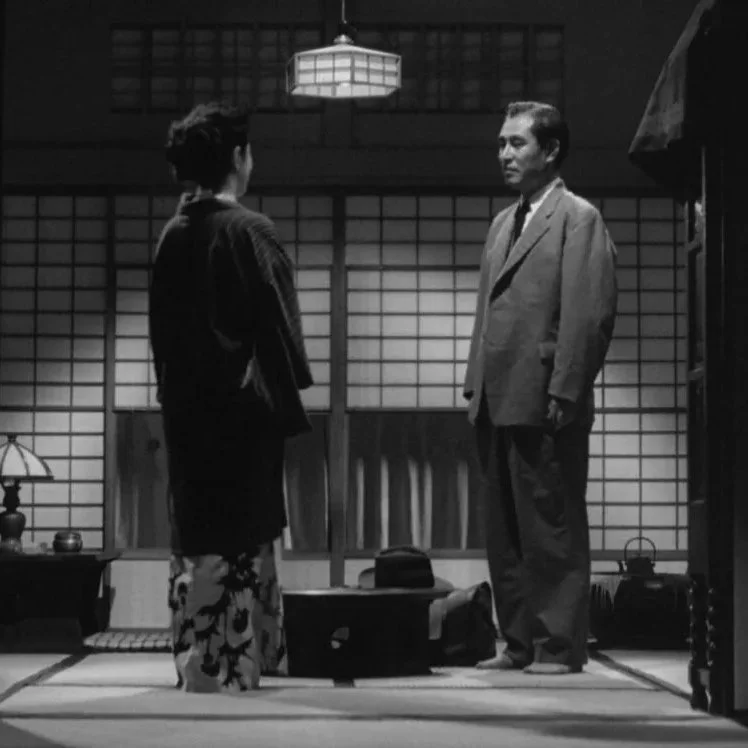
In Yasujirō Ozu's film The Flavor of Green Tea over Rice, a dissatisfied wife discovers how much she's been missing by focusing on what's wrong with her husband.
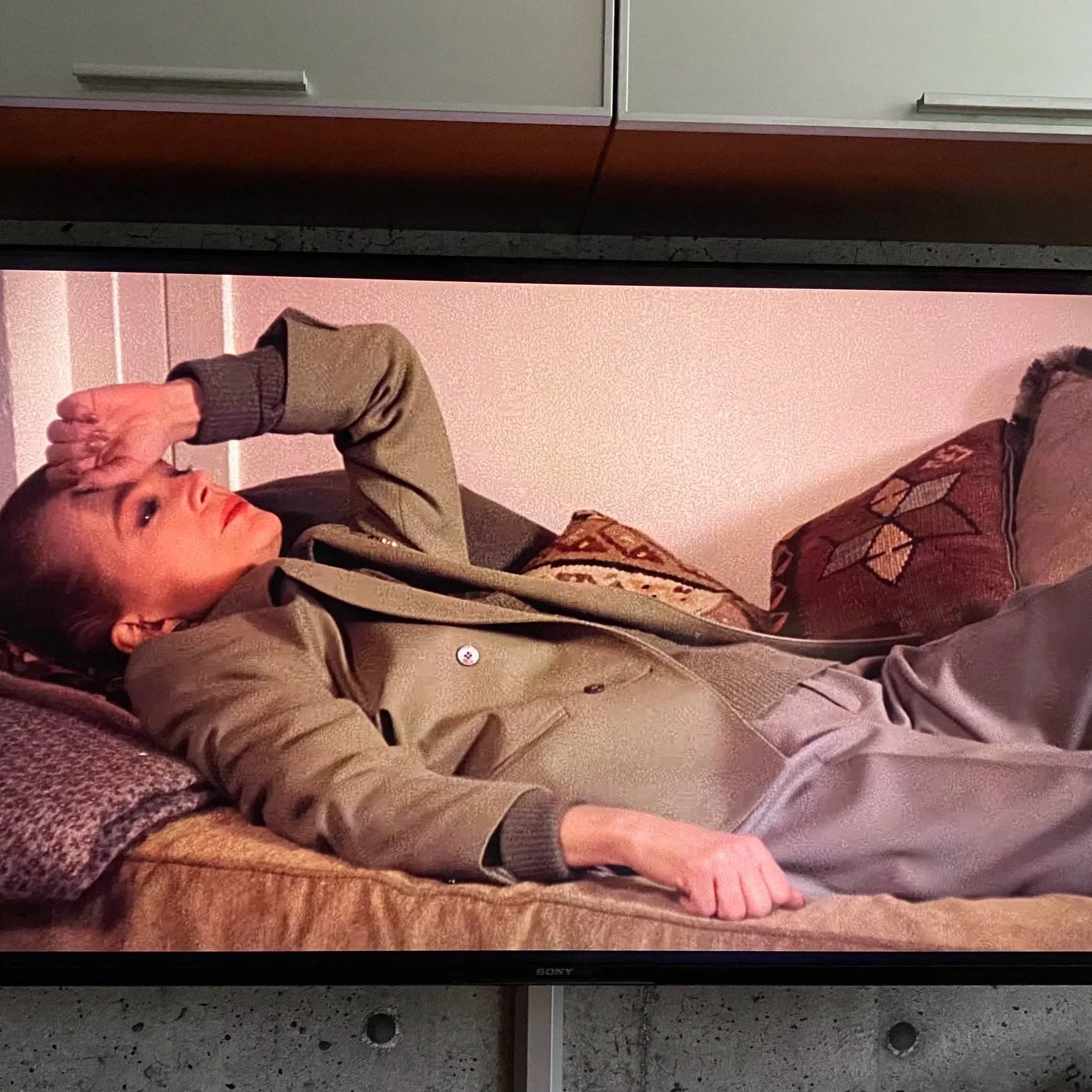
Some people have closed the book on Woody Allen. I understand that impulse. But his movies shaped who I am—and rewatching Another Woman reminded me how much.
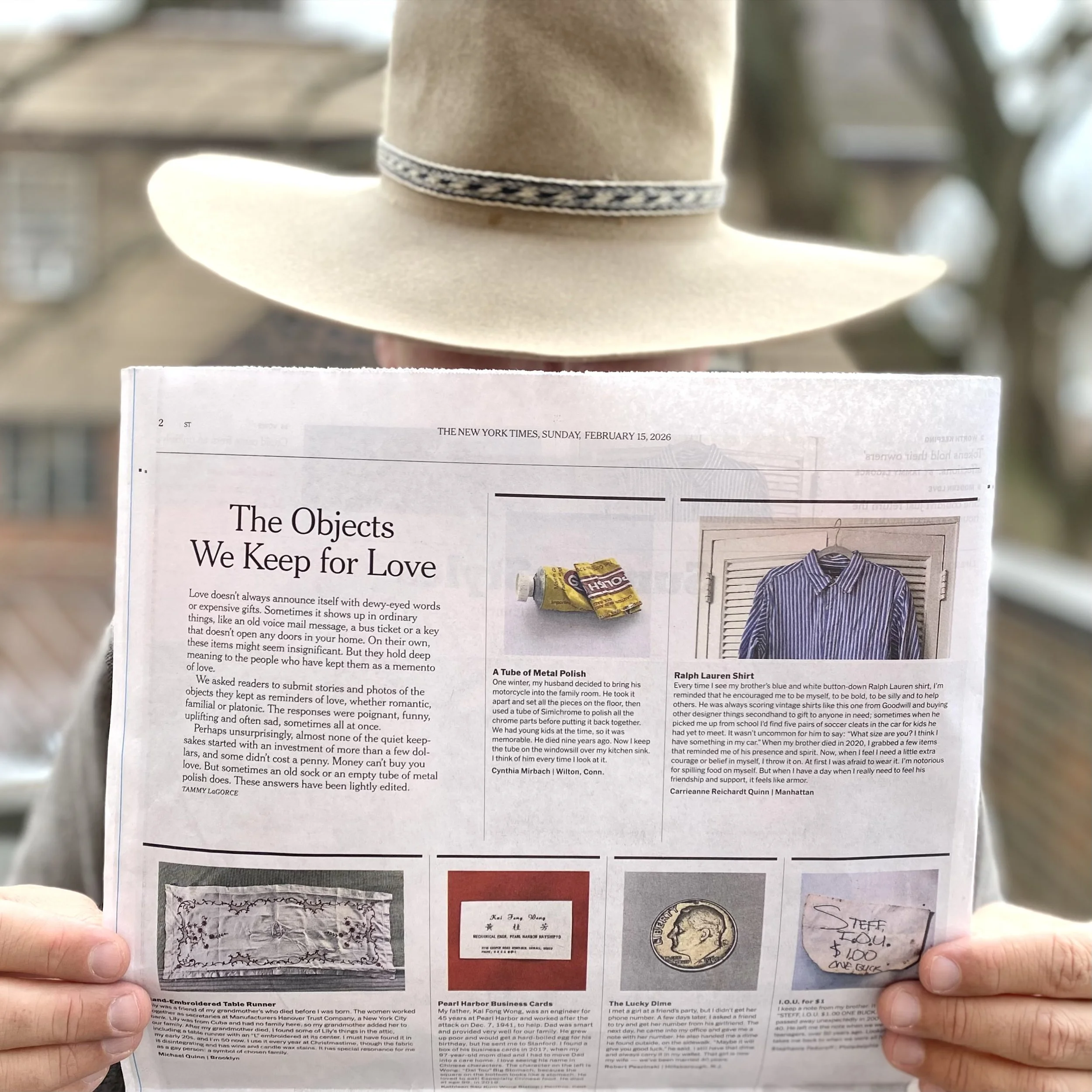
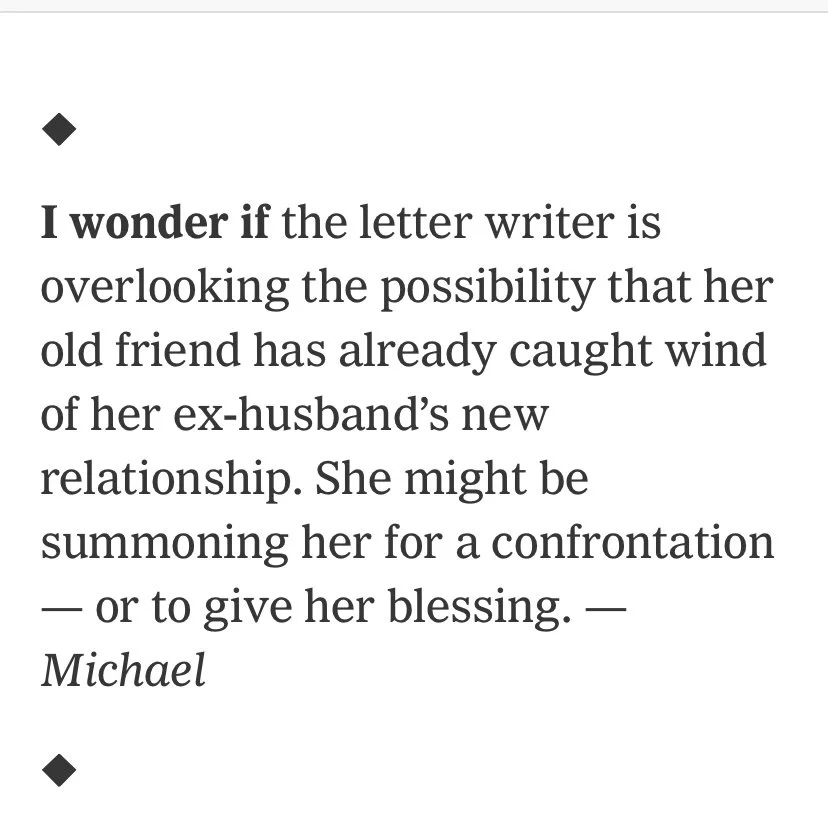
Ethics and integrity can feel disturbingly out of fashion. What drew me to The New York Times’ “Ethicist” column—and prompted me to write—was its willingness to linger over moral questions without easy answers.
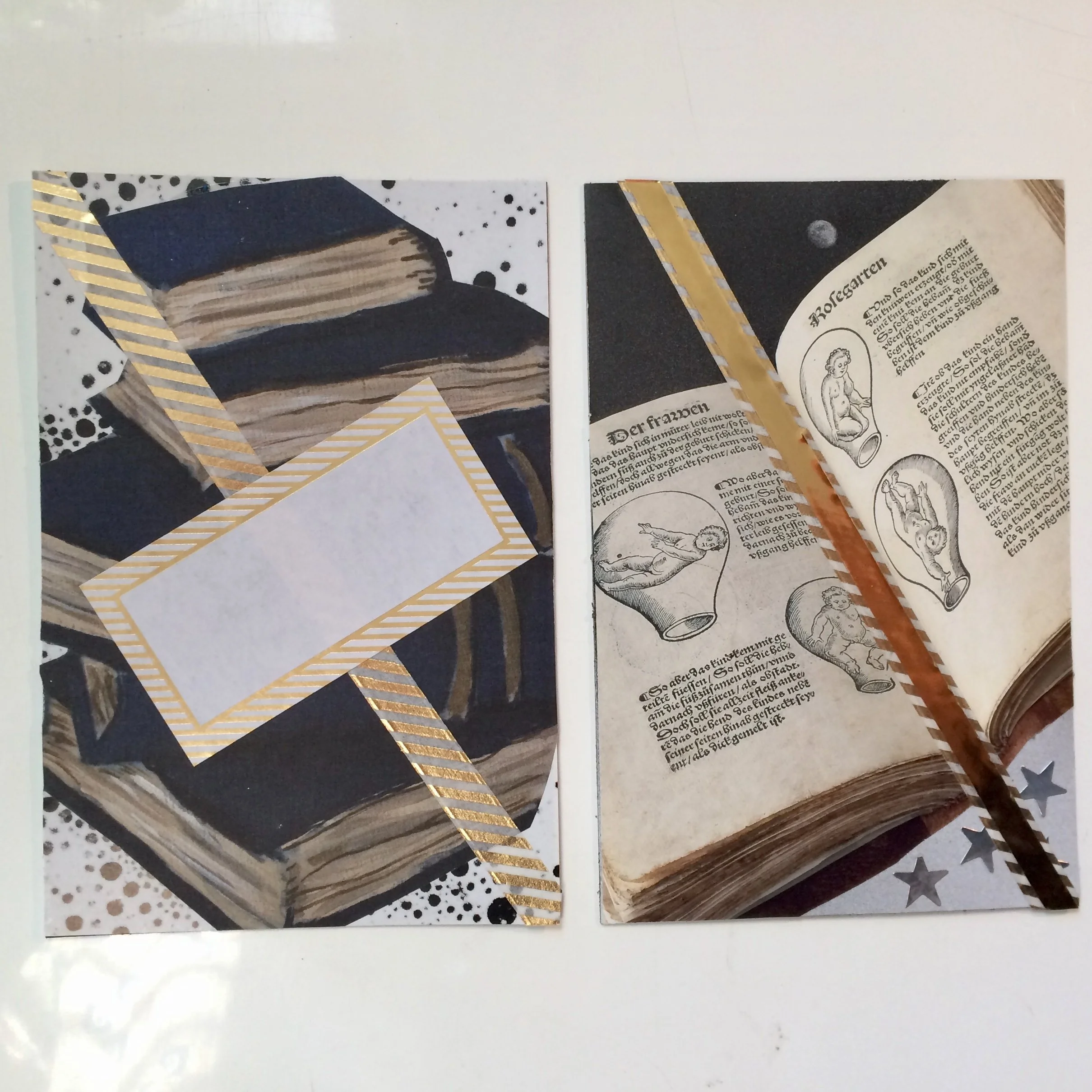
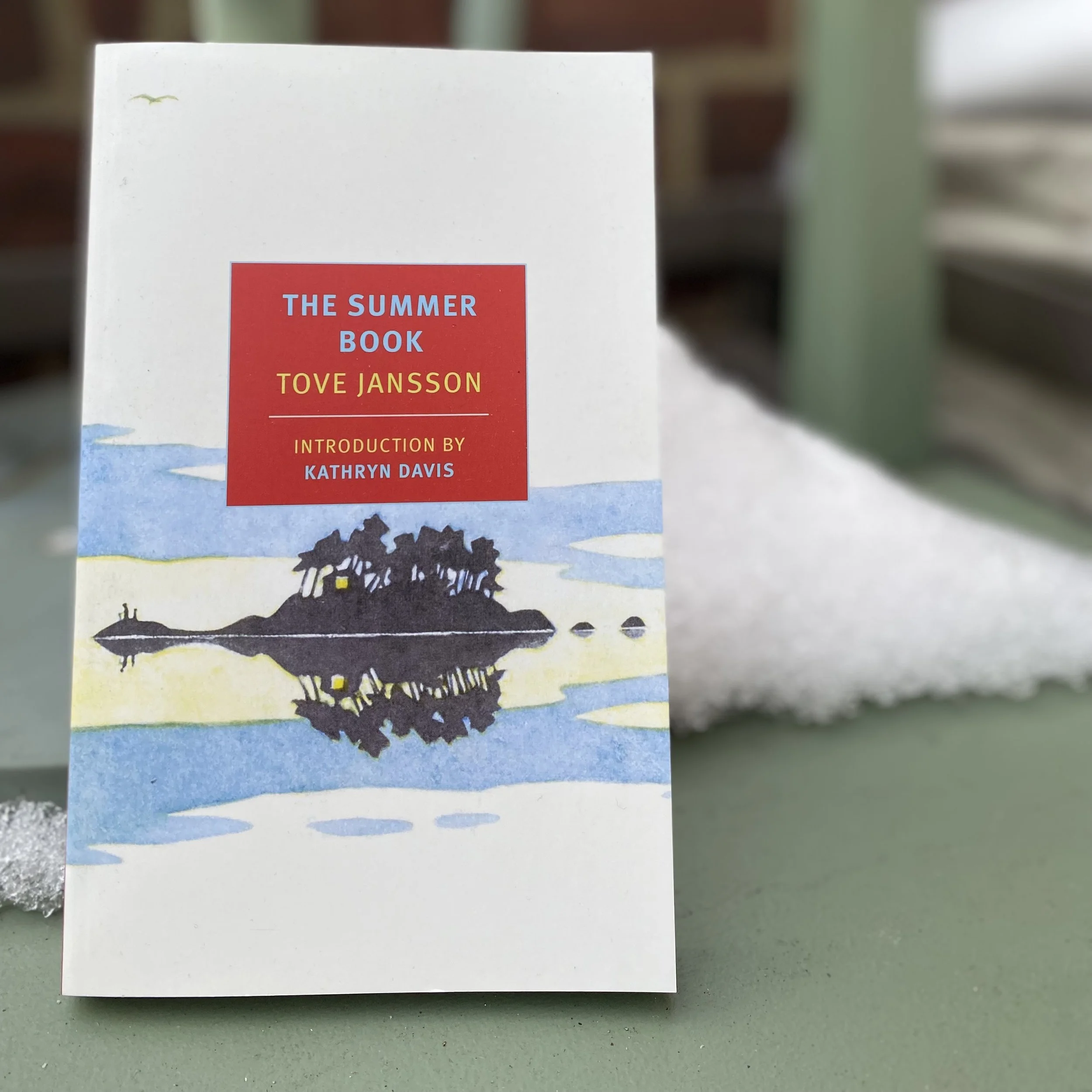
Over the holidays, I read Plain and Simple, a book by the late Sue Bender, an artist and psychologist who became obsessed with Amish quilts and dolls, and found a way to live among their makers. Their reality sometimes unsettled her—but it only deepened her appreciation.
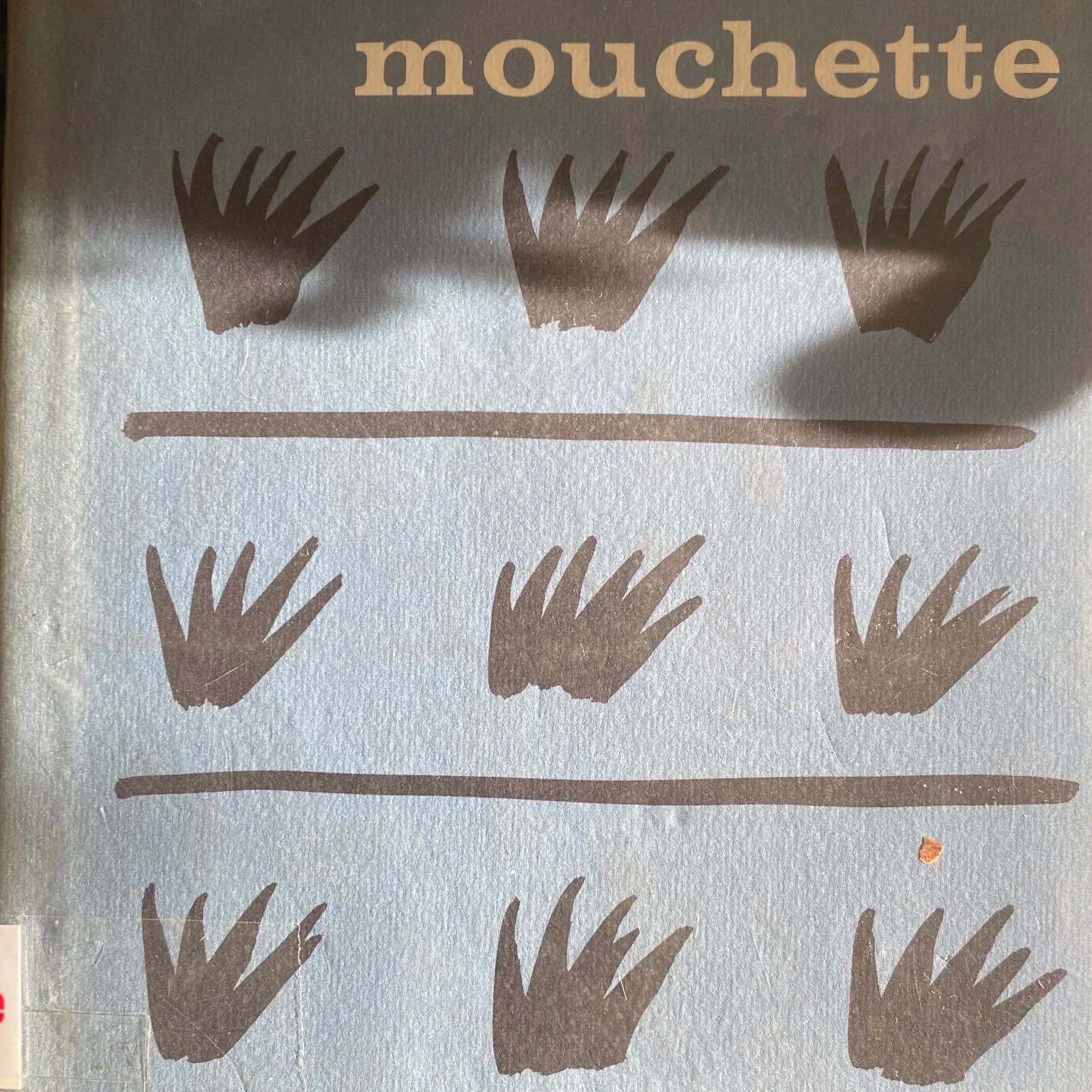
Mouchette, a French peasant girl whose name means “little fly,” is a pest to the people around her. Scrunched up and defensive, she clomps through a rough world where words have little value—even the ones that might save her life.
As a closeted teenager, I found expression for how I felt in Éponine’s unrequited love song “On My Own.” Decades later, I still hear that ache in the voices of Linda Ronstadt and Selena Gomez—singers with more than a little in common.
This week, The New Yorker published my letter to the editor about Brooklyn’s Green-Wood Cemetery, a place I walk through weekly, finding new things to discover each time.
At a book critics’ lunch, I reconnected with someone from my very first publishing job—without realizing it at first. What came back to me was a quiet moment of encouragement that stayed with me far longer than she probably knew.